Adaptive Sync Protocols Reshaping Frame Delivery in Cross-Platform Fighting Game Ports
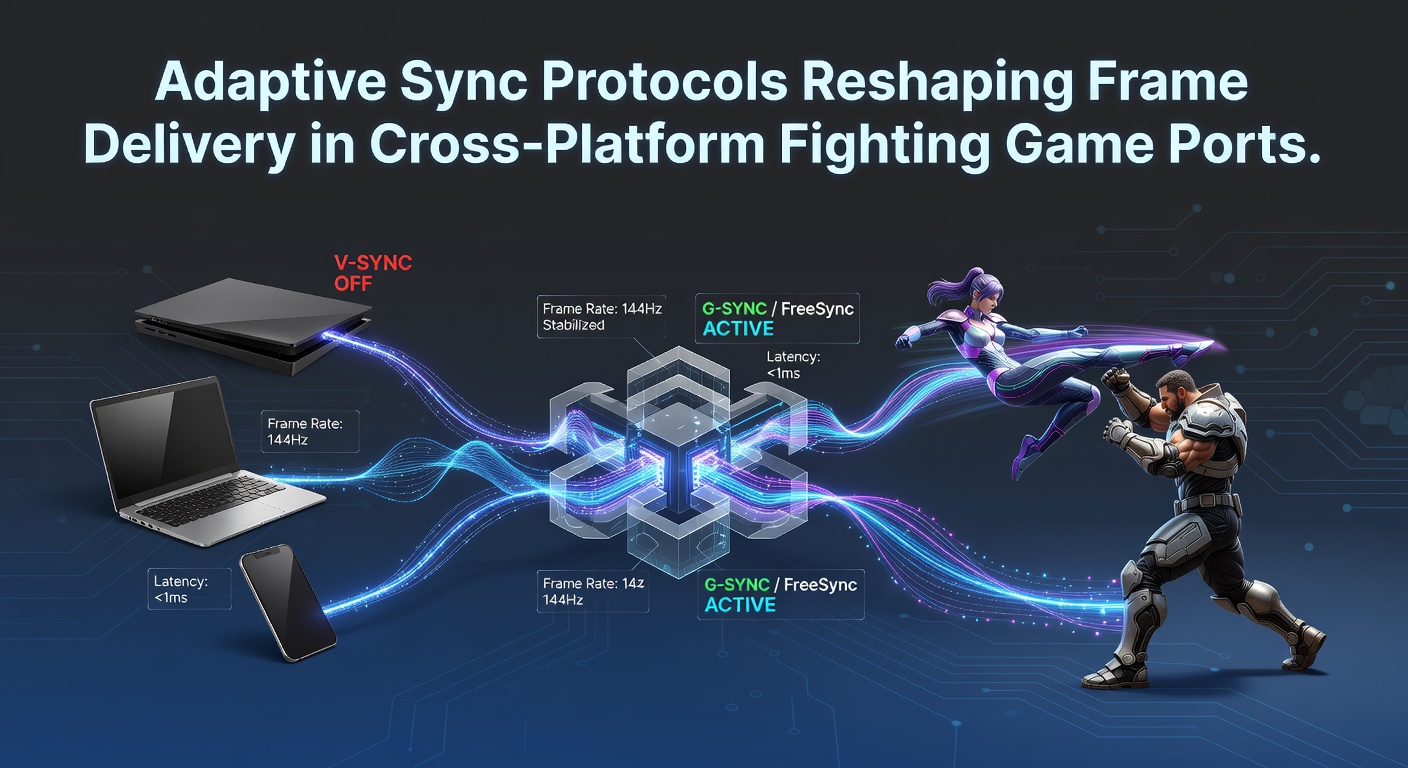
Adaptive sync protocols coordinate variable refresh rates with fluctuating frame outputs in fighting game ports that move between console architectures and PC environments. These systems reduce screen tearing and input lag spikes that once disrupted precise timing windows during combos and parries. Ports of titles like those in long-running series now incorporate VRR standards that align display hardware dynamically with the game's rendering pipeline across multiple operating systems and hardware generations.
Core Mechanisms Behind Adaptive Sync in Multi-Platform Releases
Variable refresh rate technology adjusts monitor or television scan rates on the fly to match the frame production rate from the game engine, and this adjustment occurs without the traditional fixed 60 Hz ceiling that created judder when ports dropped below target performance. Developers integrate support through graphics APIs that expose refresh metadata directly to the display controller, allowing the hardware to extend or shorten vertical blanking intervals as needed. Research from the Video Electronics Standards Association outlines how these handshakes maintain frame coherence even when network latency in online matches introduces additional timing variability.
Fighting game engines often run at fixed logic steps while rendering frames at variable intervals due to background processes or asset loading during character select screens. Adaptive protocols handle these micro-variations by signaling the panel to wait for the next complete frame instead of repeating stale pixels, and this behavior preserves the one-frame advantage that competitive players rely upon during cross-platform lobbies where input polling rates differ between devices.
Frame Delivery Adjustments in Console-to-PC Ports
When developers port fighting games from dedicated console hardware to Windows or other PC platforms, frame pacing inconsistencies emerge from differences in driver overhead and GPU scheduling. Adaptive sync implementations compensate by allowing the display to accept frames at irregular intervals while still presenting them without duplication artifacts. Data collected during 2025 tournament circuits showed reduced instances of dropped inputs correlating with VRR-enabled setups in mixed-hardware environments.
Cross-platform netcode layers add another layer of frame buffering that adaptive sync protocols can absorb without introducing perceptible delay. Observers note that players using compatible displays experience smoother transitions between rollback states because the visual output does not fight against mismatched refresh timing. Engineers at several studios have documented how enabling these protocols during certification testing reduced reported desync complaints by measurable margins in public beta builds released before June 2026 events.
Integration Challenges Across Regional Hardware Standards
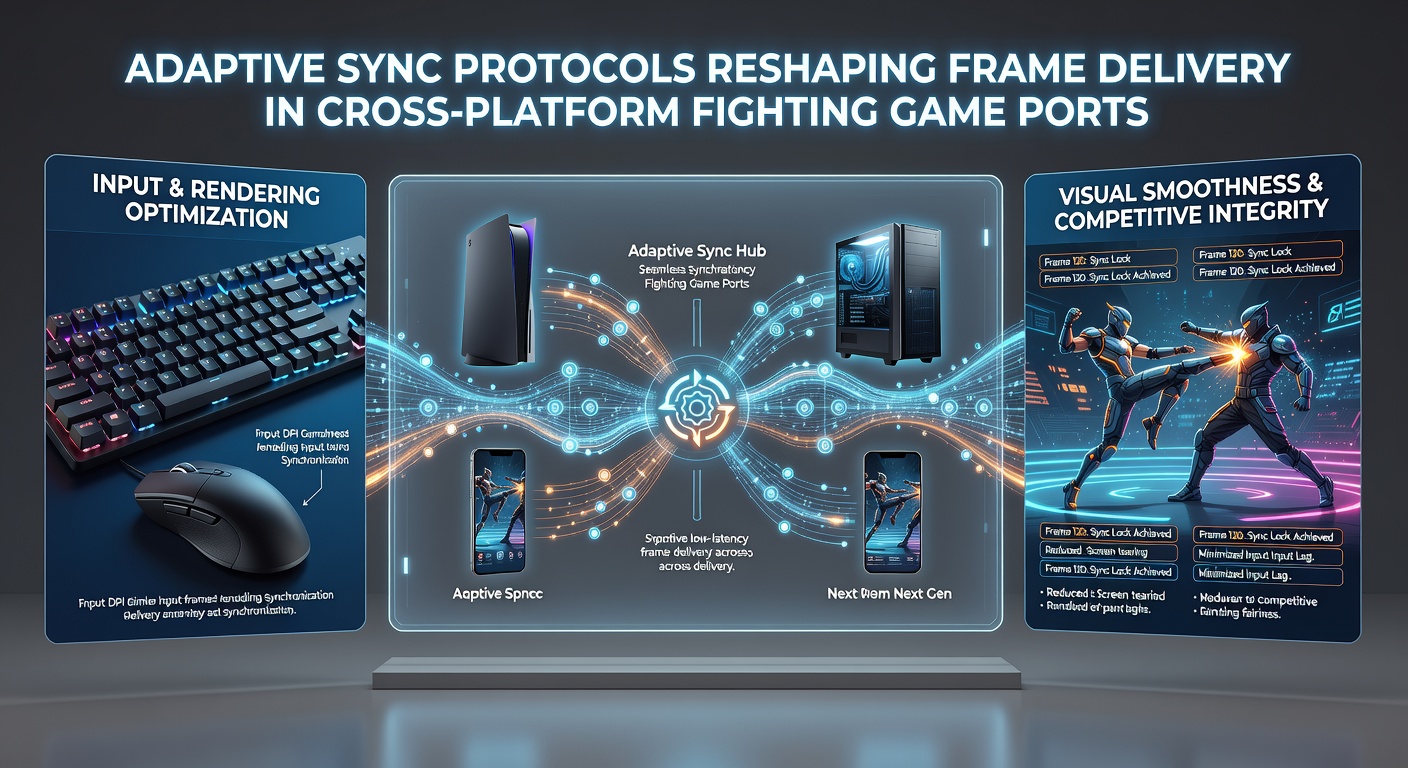
European Union digital infrastructure guidelines and similar frameworks in other regions influence how display certification processes accommodate adaptive sync features in consumer electronics. Manufacturers must verify that VRR ranges align with regional power and signal specifications while preserving the low-latency paths required for competitive play. Ports targeting multiple territories therefore include runtime detection routines that negotiate refresh parameters based on the connected display's reported capabilities.
Industry reports from organizations tracking gaming technology adoption indicate steady growth in adaptive sync support within fighting game communities, particularly where players compete across console generations and PC configurations. These reports highlight cases where older ports received post-launch patches introducing VRR toggles that stabilized frame presentation during extended online sessions. The adjustments proved especially relevant when matches occurred between regions with differing network infrastructures that indirectly affected rendering consistency.
Observable Effects on Tournament and Training Environments
Training regimens in fighting game scenes now factor adaptive sync behavior into monitor selection because consistent frame delivery directly influences muscle memory development for tight execution windows. Venues hosting events in June 2026 incorporated VRR-capable stations as standard equipment after preliminary testing revealed fewer visual interruptions during high-stakes sets. Participants using mismatched display configurations without adaptive sync reported higher rates of timing misreads during cross-platform qualifiers.
Engine modifications in recent ports allow developers to expose adaptive sync status to the game logic itself, enabling optional visual indicators or performance logging that coaches review during review sessions. This integration provides objective metrics on frame delivery stability rather than relying solely on subjective player feedback. Academic studies examining esports performance metrics have begun incorporating these display variables when analyzing reaction data across different hardware baselines.
Future Protocol Evolutions and Compatibility Layers
Next iterations of adaptive sync specifications continue to refine handshake protocols to accommodate higher refresh ceilings and lower minimum rates that suit fighting game engines locked at specific tick rates. Compatibility layers in operating system updates scheduled around mid-2026 aim to reduce setup friction for users migrating between platforms. These changes address edge cases where multiple displays with differing VRR ranges connect simultaneously during streaming or coaching setups.
Porting teams increasingly treat adaptive sync support as a core requirement rather than an optional toggle because community data shows measurable differences in player retention when visual artifacts appear during cross-play. Ongoing collaboration between hardware vendors and software studios continues to standardize detection methods that activate the feature automatically when eligible displays connect.
Conclusion
Adaptive sync protocols have established a measurable role in stabilizing frame delivery for fighting game ports that span multiple hardware ecosystems. Their implementation addresses longstanding pacing issues that previously required manual workarounds or acceptance of visual compromises. As certification processes and software updates align further, the technology supports consistent competitive conditions regardless of the originating platform or display hardware in use.