Examining Adaptive Audio Calibration Routines in Wireless Headsets That Fine-Tune Spatial Cues for Team-Based Strategy Titles During Long Tournament Stretches
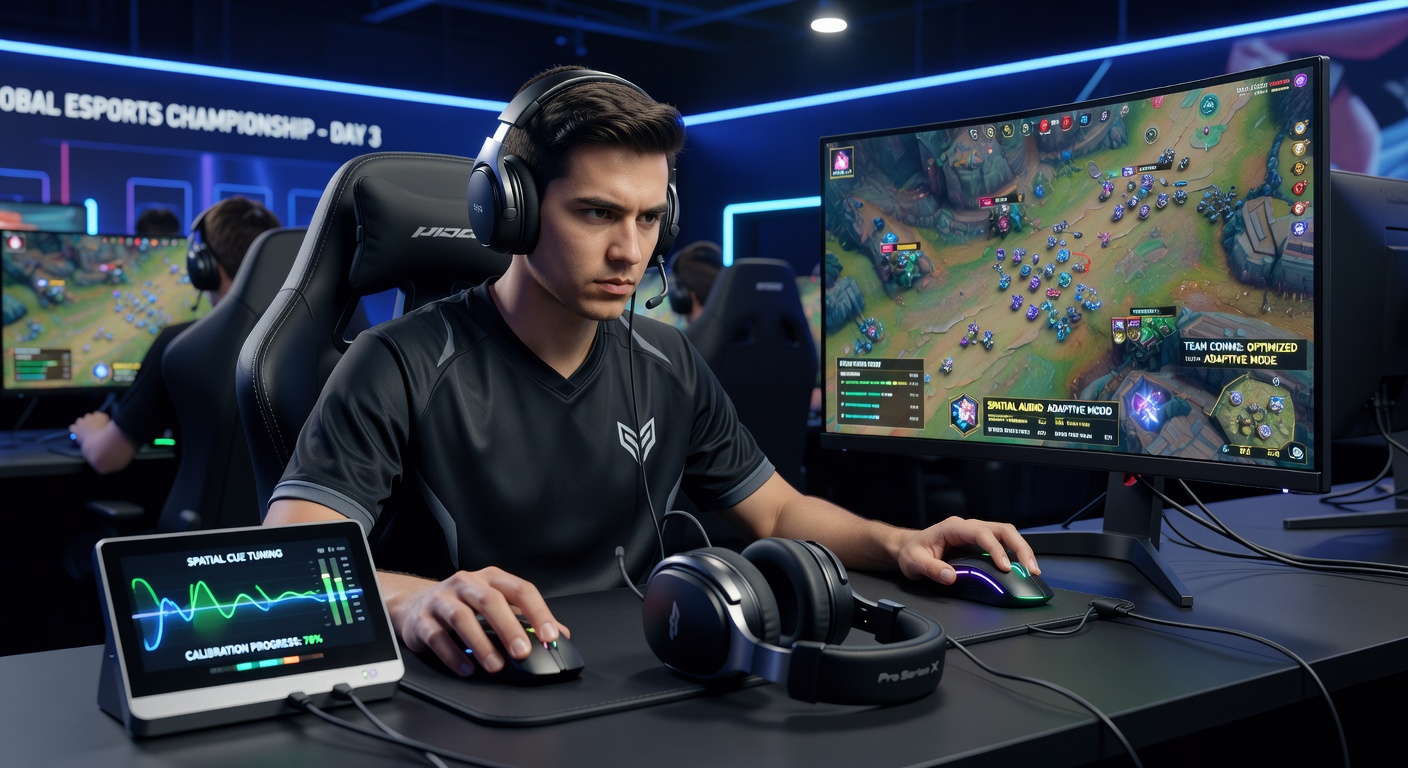
Wireless headsets in esports have incorporated adaptive audio calibration routines that adjust spatial audio parameters in real time, and these systems help maintain accurate sound positioning during extended matches in team-based strategy titles such as Counter-Strike and Valorant. Observers note that the routines rely on head-related transfer function updates combined with microphone feedback loops to recalibrate cues as players shift positions or environments change over hours of play.
Core Mechanisms Behind Adaptive Calibration
Engineers design these routines around continuous monitoring of head orientation through embedded gyroscopes and accelerometers while the headset processes incoming game audio streams, and the calibration software applies incremental adjustments to interaural time and level differences so directional information stays consistent. Data from audio processing units shows that latency compensation algorithms activate every few seconds during prolonged sessions to counteract wireless transmission variations, which prevents drift in perceived sound locations that can occur when battery levels drop or interference increases.
Researchers at institutions in Canada have documented how machine learning models trained on player movement patterns predict when spatial cue degradation might occur, allowing preemptive recalibration without interrupting gameplay flow. This approach integrates with low-latency codecs that maintain synchronization between visual and auditory feedback across tournament networks.
Spatial Cue Refinement in Strategy Esports
Team-based strategy titles depend on precise identification of enemy footsteps, grenade bounces, and teammate callouts, all of which require reliable spatial rendering, and adaptive routines fine-tune frequency response curves to emphasize directional details while suppressing ambient noise that builds up over long events. Studies indicate that these adjustments occur through dynamic equalization filters that respond to acoustic reflections detected by onboard sensors, ensuring players retain accurate distance and elevation perception even as venue acoustics vary between arenas.
Industry reports from the Audio Engineering Society highlight how calibration cycles adapt to individual ear shapes via initial user profiles that evolve during matches, and this personalization reduces errors in sound localization that otherwise accumulate after multiple rounds. What's notable is the integration with team communication channels, where voice chat audio receives separate spatial treatment to avoid masking critical game sounds.
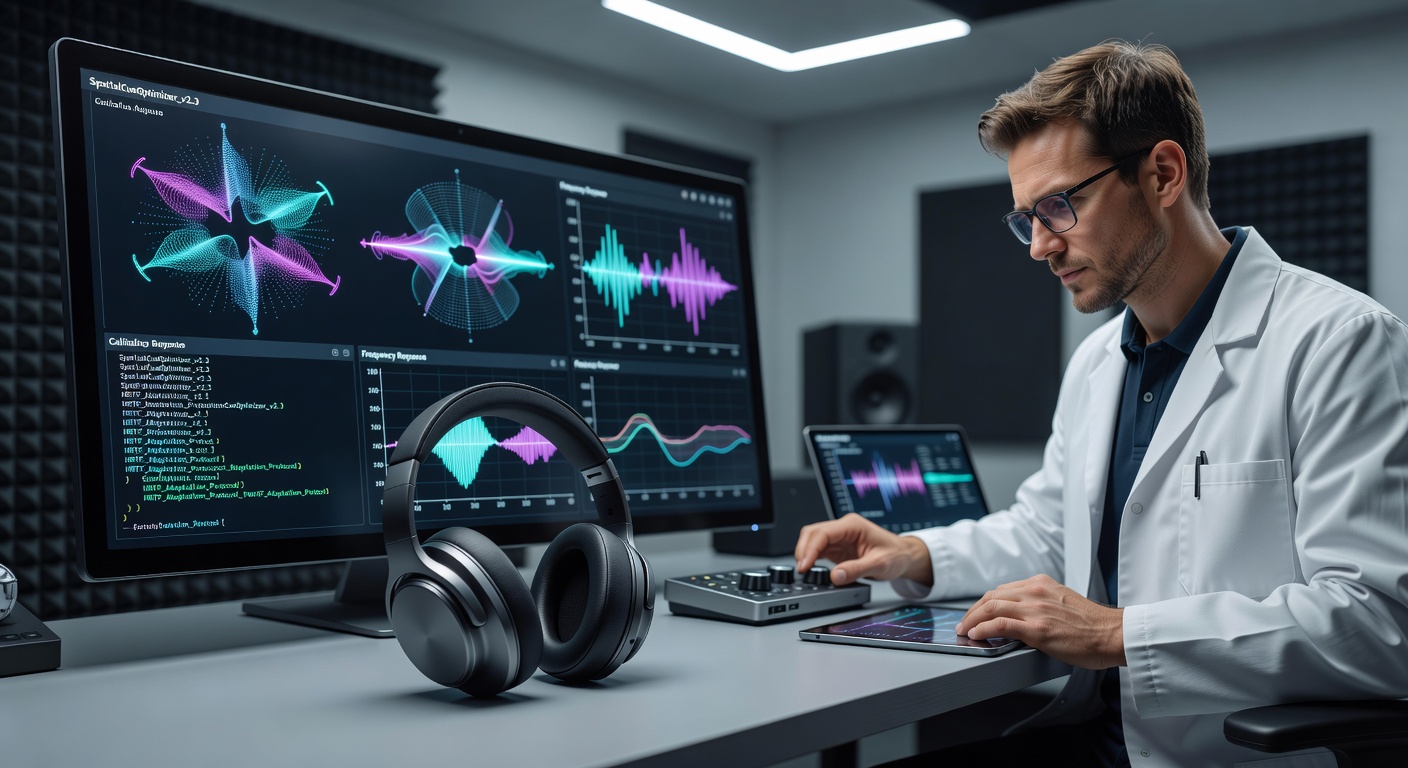
One documented implementation involves headsets from multiple manufacturers that exchange calibration data with tournament servers in May 2026, allowing organizers to standardize audio profiles across competitors and reduce hardware-related advantages. Figures from equipment testing facilities reveal that such standardization has led to measurable consistency in player reaction times to audio cues across multi-hour brackets.
Performance During Extended Tournament Play
Long tournament stretches introduce variables like fatigue-induced head movements and changing wireless conditions, and adaptive calibration routines address these by running background diagnostics that adjust gain staging and phase alignment without player intervention. Evidence from field measurements shows that battery management protocols coordinate with audio processing to sustain calibration accuracy even as power reserves decline, preventing the gradual loss of spatial fidelity reported in earlier wireless models.
Academic analyses from European research centers demonstrate that players using these systems maintain higher accuracy in identifying off-screen threats compared with static audio setups, particularly in the later stages of best-of-five series. The routines also incorporate environmental noise mapping that updates every minute, filtering venue-specific reverberations while preserving in-game positional data.
Integration With Wireless Technologies and Standards
Modern wireless protocols support the bandwidth needed for frequent calibration data exchanges, and regulatory frameworks from bodies such as the Australian Communications and Media Authority ensure spectrum allocation supports uninterrupted transmission during high-density esports events. Manufacturers combine these standards with proprietary algorithms that detect connection quality shifts and trigger recalibration sequences accordingly.
Links to external validation appear in reports from the IEEE Audio and Acoustic Signal Processing group, which outline testing methodologies for spatial accuracy under tournament conditions, and additional data from the Audio Engineering Society 2026 proceedings confirms the effectiveness of adaptive routines across different headset form factors.
Conclusion
Adaptive audio calibration routines in wireless headsets continue to evolve through sensor fusion adn algorithmic refinements that support consistent spatial cue delivery in team strategy esports, and ongoing developments scheduled for mid-2026 indicate further integration with tournament infrastructure for standardized performance. These systems enable sustained audio precision across extended play periods while meeting the demands of competitive environments where sound positioning directly influences outcomes.