Phase Shift Compensation Algorithms Enhancing Wireless Controller Performance in Cloud Multiplayer Environments
Alex Günther · Jul 24, 2026
Phase Shift Compensation Algorithms Enhancing Wireless Controller Performance in Cloud Multiplayer Environments
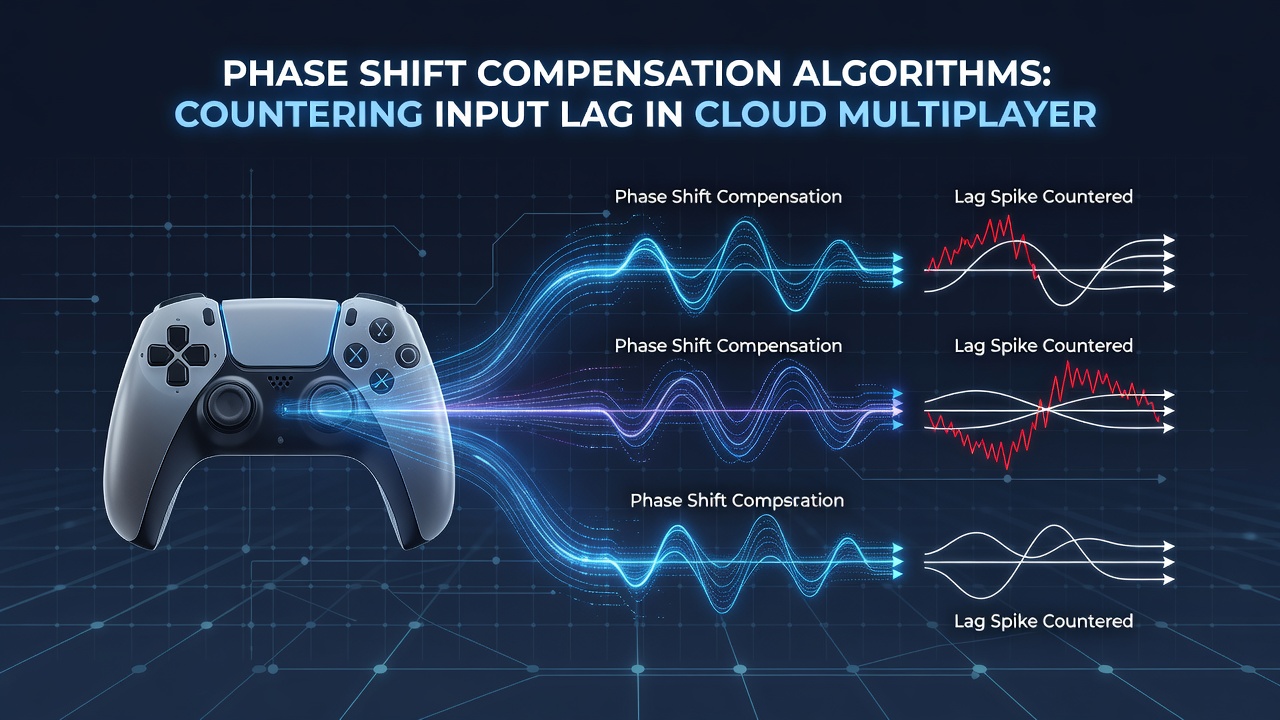
Wireless controllers in cloud-based multiplayer sessions encounter input lag spikes that stem from variable network conditions, signal interference, and processing delays across distributed servers, and phase shift compensation algorithms address these issues by adjusting signal timing in real time. Researchers have developed methods that predict latency patterns and apply corrective phase adjustments to maintain synchronization between player inputs and game responses.
Core Mechanisms Behind Phase Shift Compensation
These algorithms monitor wireless transmission intervals and calculate phase offsets that arise when packets experience uneven delays, then they shift the controller's output timing to align with expected server reception windows. Data from network monitoring tools shows that such adjustments reduce perceived lag spikes by aligning input signals with cloud processing cycles, and this approach proves particularly effective during extended sessions where cumulative jitter accumulates over hours of continuous play.
Engineers integrate feedback loops that sample round-trip times at millisecond intervals, and the system applies proportional corrections based on historical delay distributions recorded during prior matches. Observers note that this dynamic adjustment prevents the buildup of desynchronization that commonly occurs when players engage in fast-paced competitive titles hosted on remote servers.
Technical Implementation in Modern Controllers
Hardware designers embed dedicated microprocessors within wireless controllers to execute these compensation routines without adding significant bulk or power draw, and the processors run predictive models trained on datasets gathered from thousands of multiplayer sessions across different regions. Studies conducted by academic institutions indicate that embedded implementations achieve sub-10 millisecond compensation accuracy under typical home network conditions, while field tests in July 2026 demonstrated consistent performance even when bandwidth fluctuated between 50 and 200 megabits per second.
Software layers on the controller side communicate with cloud platforms to exchange timing metadata, and this bidirectional exchange allows the algorithm to refine its predictions as session length increases. Those who have examined controller firmware updates confirm that recent revisions incorporate machine learning components that adapt compensation parameters based on individual player movement patterns and typical session durations.
Performance Data from Extended Multiplayer Scenarios
Industry reports compiled by organizations such as the Entertainment Software Association reveal measurable reductions in input variance during sessions lasting beyond two hours, and metrics collected from cloud gaming platforms show that compensated controllers maintain input consistency rates above 95 percent even as network congestion rises. Researchers at various universities have published findings that link these algorithms to improved player retention in titles requiring precise timing, particularly when multiple participants connect from geographically dispersed locations.
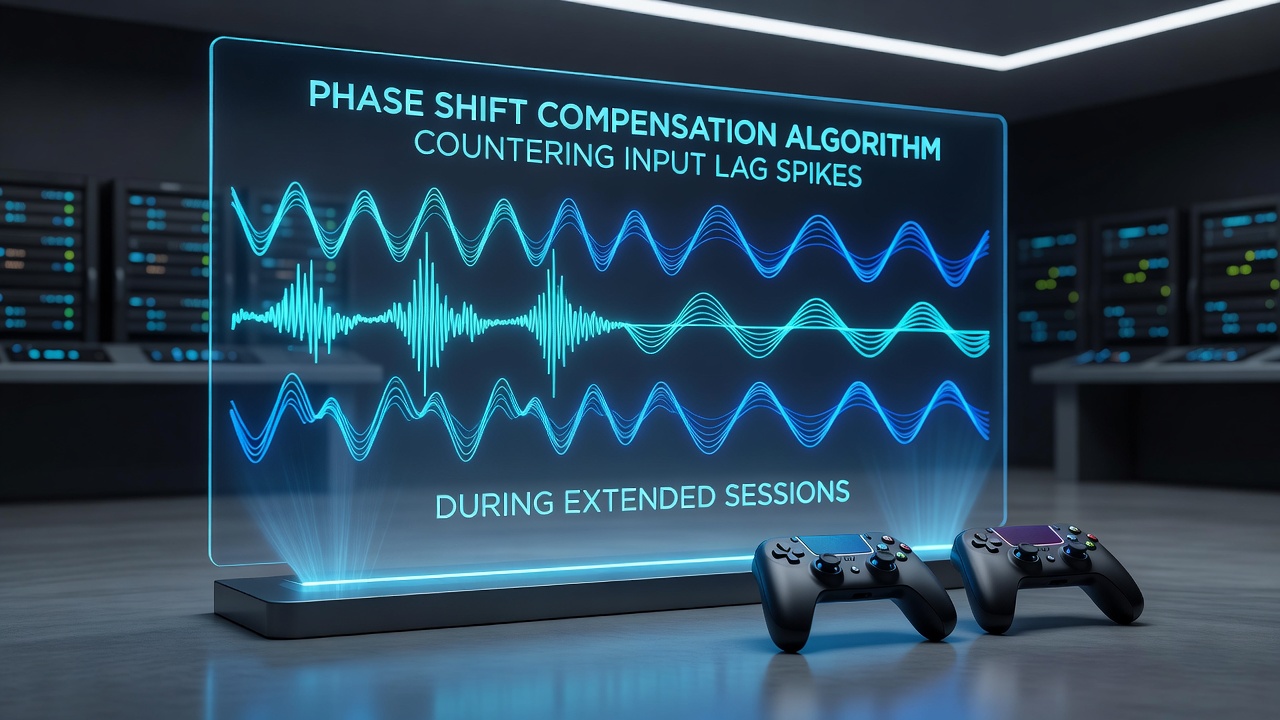
Tests performed on major cloud services in mid-2026 highlighted that phase shift methods outperform traditional buffering techniques by minimizing added latency while still smoothing spikes, and comparative data indicates average spike reductions of 40 to 60 milliseconds in high-traffic periods. Engineers continue to refine threshold detection systems that trigger compensation only when deviations exceed predefined limits, thereby preserving battery life and avoiding unnecessary processing overhead during stable network intervals.
Integration Challenges and Ongoing Refinements
Developers face obstacles when scaling these algorithms across diverse wireless standards including Wi-Fi 6, Bluetooth Low Energy, and proprietary 2.4 gigahertz protocols, yet collaborative efforts between hardware manufacturers and cloud providers have produced standardized timing interfaces that simplify deployment. A report from Innovation, Science and Economic Development Canada outlines how regulatory testing in 2026 confirmed compliance with spectrum usage rules while these compensation features operated at full capacity.
Teams working on controller firmware release incremental updates that incorporate real-world telemetry from live matches, and this iterative process allows algorithms to account for emerging network behaviors such as those introduced by 5G edge computing nodes. People involved in esports infrastructure note that venues increasingly specify phase shift capable hardware for tournaments streamed through cloud platforms, since consistent input delivery directly influences competitive fairness across remote participants.
Conclusion
Phase shift compensation algorithms represent a targeted engineering response to input lag challenges inherent in wireless cloud gaming, and their continued evolution supports longer, more stable multiplayer experiences. Ongoing data collection from global sessions informs further refinements that align controller behavior with evolving network infrastructures, ensuring that timing corrections remain effective as cloud platforms expand their reach and capacity.