Piezoelectric Transducer Advancements Enabling Precise Tactile Feedback Loops in Wireless Controllers for Competitive Fighting Game Circuits
Katja Long · Aug 7, 2026
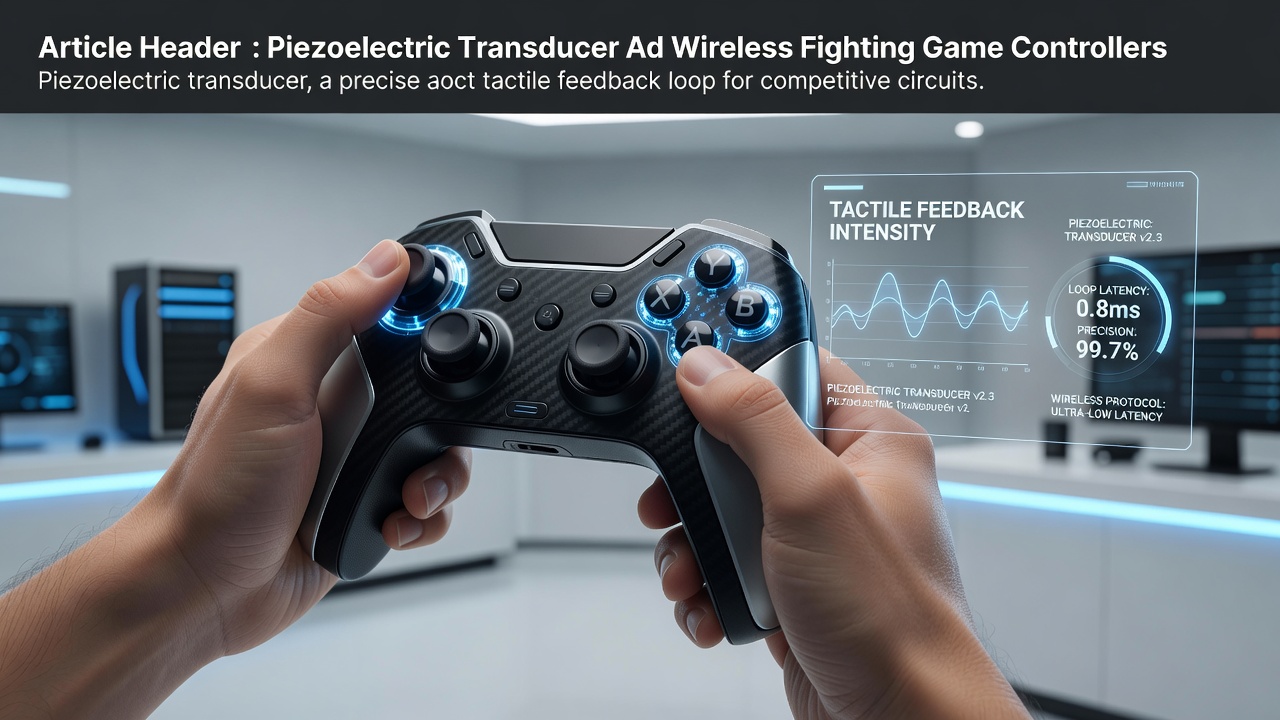
Piezoelectric Transducer Advancements Enabling Precise Tactile Feedback Loops in Wireless Controllers for Competitive Fighting Game Circuits
Core Principles of Piezoelectric Materials in Haptic Systems
Engineers have refined piezoelectric transducers to convert electrical signals into controlled mechanical vibrations that deliver targeted tactile responses in wireless controllers, and these components rely on crystals that deform under voltage to produce minute movements detectable by human skin. Researchers at institutions across North America and Europe have documented how newer ceramic composites increase the frequency range of these vibrations while reducing power draw, which matters for battery-powered devices used in extended tournament sessions. Data from material science labs indicate that response times now fall below 5 milliseconds in optimized setups, allowing feedback loops to synchronize with frame-accurate inputs common in fighting game circuits.
Wireless transmission protocols must carry both control data and haptic commands without latency spikes, and piezoelectric elements help because they operate efficiently at low voltages that align with Bluetooth and proprietary radio standards. Observers note that integration requires careful shielding to prevent electromagnetic interference from affecting stick or button sensors during high-stakes matches.
Recent Material and Circuit Innovations
Developments reported in August 2026 highlight thin-film piezoelectric layers that manufacturers embed directly beneath button matrices, creating localized feedback zones instead of whole-controller rumble. These films combine with microcontroller algorithms that adjust amplitude and duration based on in-game events such as successful parries or blocked attacks. Studies from Australian university engineering departments show that such zoned feedback improves player accuracy in timing-critical sequences by measurable margins when tested against uniform vibration motors.
Power management circuits have evolved to handle rapid charge-discharge cycles without draining reserves, and this matters because fighting game controllers often run for hours between charges during circuit events. Figures from component suppliers reveal energy recovery rates above 70 percent in closed-loop designs that recapture mechanical energy from the transducer itself.
Application in Wireless Fighting Game Controllers
Competitive fighting game setups benefit when piezoelectric transducers generate distinct tactile signatures for different move types, letting players feel confirmation of inputs without glancing at screens. One documented implementation routes separate channels to each face button, producing short pulses for light attacks and sustained oscillations for special moves that require charge timing. Wireless controllers equipped with these systems maintain connection stability through dual-band radios while the haptic subsystem runs on its own low-power microcontroller.
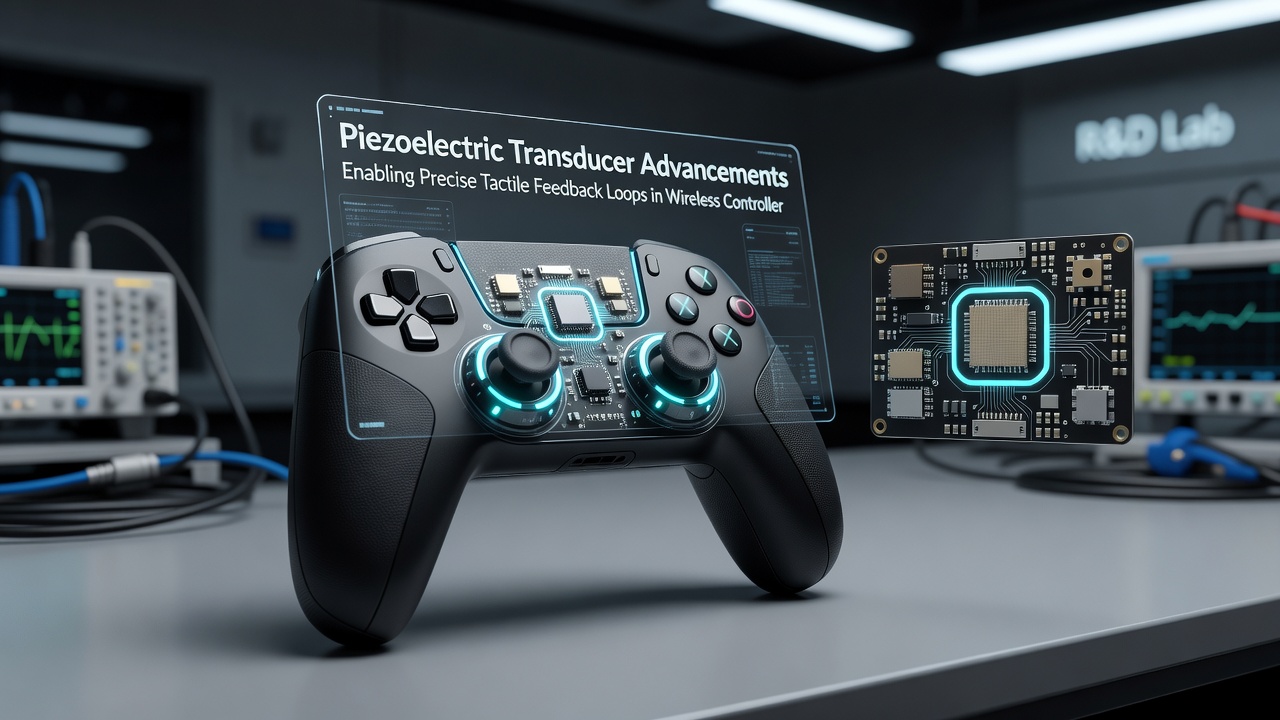
Calibration routines adapt to individual player grip styles by sampling baseline pressure data during setup phases, and this personalization helps maintain consistent sensation across different hand sizes common among circuit participants. Industry reports from European gaming hardware consortia note that firmware updates can refine these profiles over time without hardware changes.
Performance Data from Competitive Environments
Testing conducted at major North American events in mid-2026 recorded input-to-feedback latency averages of 8 milliseconds across multiple controller models, a figure that remains within acceptable bounds for games running at 60 frames per second. Canadian research groups tracking esports hardware usage found adoption rates of piezoelectric-equipped controllers rising steadily among top-seeded players in several regional circuits. The same studies tracked error rates in combo execution and observed reductions when tactile confirmation replaced reliance on visual or audio cues alone.
Thermal characteristics also receive attention because sustained high-frequency operation can generate localized heat, yet improved heat-spreading substrates keep surface temperatures stable during multi-hour sessions. Trade association publications emphasize standardized testing protocols that simulate tournament conditions to verify reliability before widespread distribution.
Integration Challenges and Engineering Solutions
Designers must balance transducer thickness against overall controller ergonomics, since added layers can alter button travel distance and perceived clickiness. Solutions include micro-machined cavities that house the elements flush with existing structures, preserving familiar form factors while adding functionality. Signal processing firmware filters out unintended resonances that might otherwise mask intended feedback patterns during rapid button sequences typical in fighting game play.
Compatibility across different console ecosystems requires flexible output mapping, and current implementations support both native console APIs and custom tournament station interfaces. Observers note that open documentation from several controller manufacturers has accelerated third-party tuning tools used by circuit technicians.
Conclusion
Piezoelectric transducer refinements continue to expand the precision of tactile feedback available in wireless fighting game controllers, supported by ongoing material research and circuit-level optimizations. Tournament data collected through 2026 reflects measurable integration into competitive environments where timing margins remain critical. Further iterations will likely focus on even tighter synchronization with game engines and broader compatibility across regional hardware standards.