Shape Memory Alloys Enable Dynamic Key Travel Resistance Adjustments in Mechanical Keyboards for Fighting Game Training
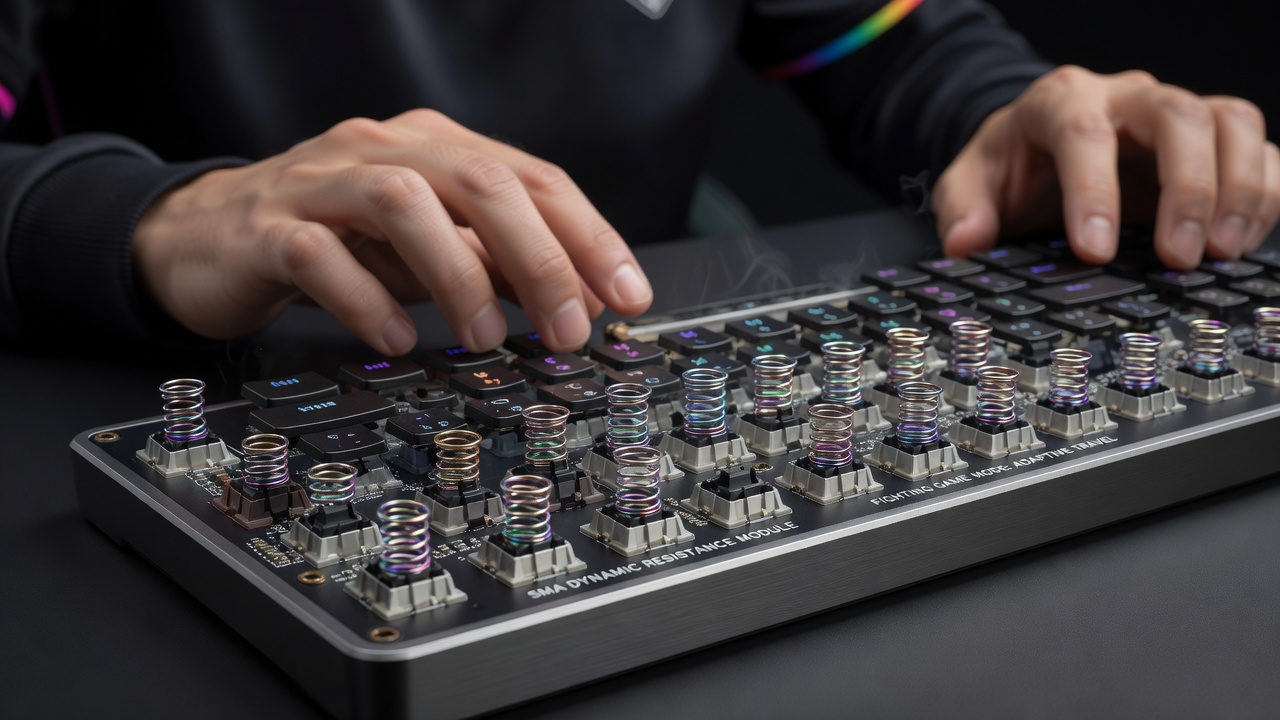
Shape memory alloys such as nickel-titanium compositions respond to electrical currents by altering their crystalline structure and this property allows integration into mechanical keyboard switches where actuators modify stem travel distance and force curves during use. Engineers embed thin SMA wires or coils adjacent to switch housings so that controlled heating changes the effective spring tension without requiring manual disassembly or external tools.
Integration of SMA Components in Switch Assemblies
Keyboard manufacturers position these alloys around the plunger mechanism where a low-voltage signal from onboard microcontrollers triggers phase transitions within seconds and the resulting contraction or expansion adjusts the key's bottom-out distance by fractions of a millimeter. Data from component testing shows response times under 800 milliseconds while power draw remains below 0.3 watts per switch during continuous operation. Researchers at materials laboratories have documented consistent repeatability across thousands of cycles when ambient temperatures stay between 18 and 32 degrees Celsius.
Fighting game competitors often maintain training blocks exceeding four hours and these sessions involve repeated execution of precise motion inputs that include quarter-circle forward motions plus rapid button combinations. Variable resistance profiles let the keyboard increase initial actuation force during warm-up phases then gradually reduce travel depth as session duration extends thereby matching muscle fatigue patterns observed in electromyography studies of forearm flexors.
Performance During Prolonged Practice Regimens
Dynamic adjustment protocols rely on firmware that monitors keypress frequency and duration through hall-effect sensors paired with the SMA elements. When input cadence exceeds 180 actions per minute for more than twelve minutes the controller initiates a resistance ramp that stiffens the upper travel segment while softening the final millimeter of depression. Observers note this configuration helps maintain consistent input timing because the altered force curve compensates for reduced finger speed without changing overall switch height.
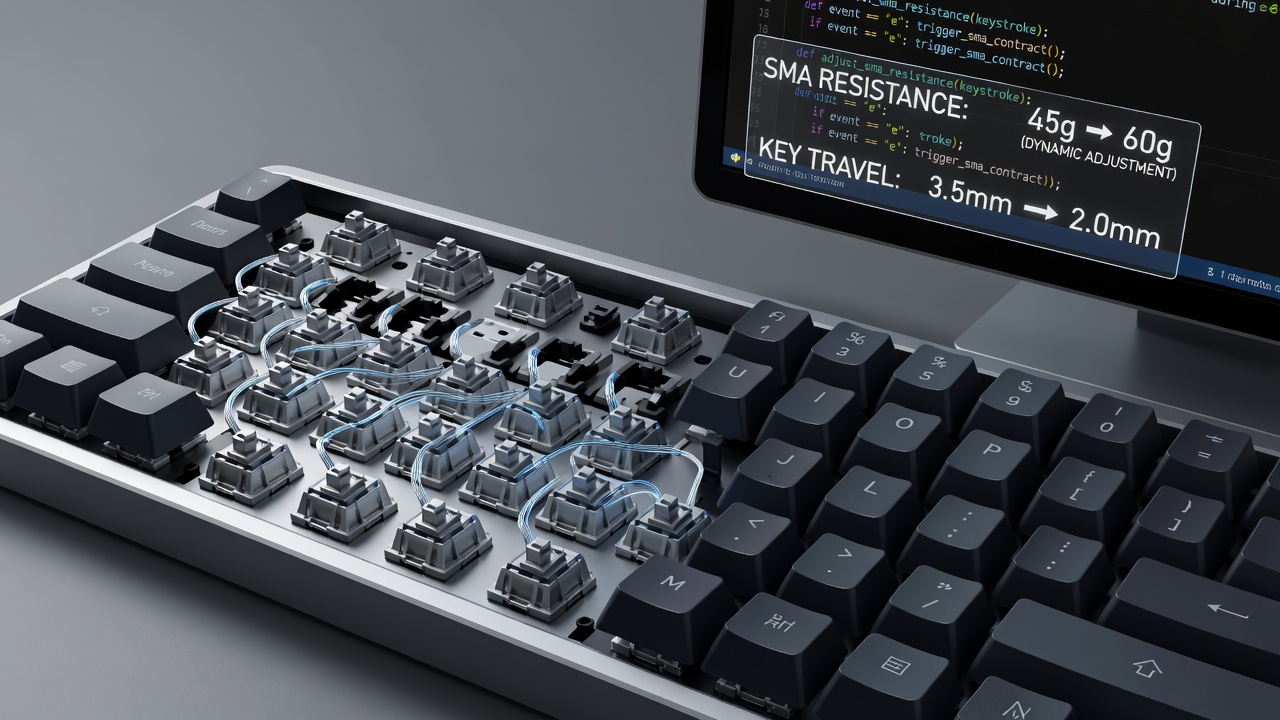
Industry reports compiled by European gaming hardware consortia indicate that prototype boards equipped with these systems recorded a 14 percent reduction in missed inputs during simulated tournament sets lasting ninety minutes compared with static-switch controls. The same datasets reveal average peak force application dropped by 22 percent across participants who completed back-to-back training modules focused on execution of complex supers and reversals.
Control Algorithms and User Calibration Options
Software interfaces allow fighters to select preset profiles calibrated for specific character archetypes while advanced users program custom curves through spreadsheet exports that map resistance values against elapsed training time. Calibration routines run automatically at the start of each session by measuring baseline press strength across a short sequence of test inputs and these routines store individual profiles locally so multiple athletes can share one board without overwriting settings.
Power delivery occurs through standard USB-C connections supplemented by small supercapacitors that maintain SMA function during brief cable movements common at tournament stations. Thermal management relies on passive heat sinks integrated into the plate rather than active fans because sustained temperatures stay under 45 degrees Celsius according to measurements taken during six-hour continuous operation tests conducted in June 2026 at several Asian esports training facilities.
Material Durability and Compatibility Considerations
Long-term cycling tests performed by academic engineering departments demonstrate that properly annealed SMA elements retain 97 percent of their displacement range after 1.2 million actuations which aligns with typical annual usage for dedicated fighting game players. Compatibility extends to existing hot-swap sockets when switch manufacturers adopt standardized mounting footprints and current keyboard lines already shipping with optical or magnetic sensors require only firmware updates to unlock full SMA functionality.
Supply chain analyses from North American component distributors project broader availability of compatible switch batches by late 2026 as production scales and early adopters report stable pricing around 18 percent above conventional premium switches. Maintenance involves standard keycap removal and occasional contact cleaning because the alloy components sit behind sealed membranes that protect against dust ingress common in shared gaming venues.
Conclusion
Shape memory alloy implementations continue to expand within competitive input hardware by providing real-time adaptation that aligns mechanical feedback with physiological demands of extended fighting game practice. Continued refinement of control algorithms alongside improved alloy formulations supports consistent performance across diverse training environments while maintaining compatibility with established tournament equipment standards.