Tracing Modular Cable Kits Through High-Stakes Tournament Travel Rigs
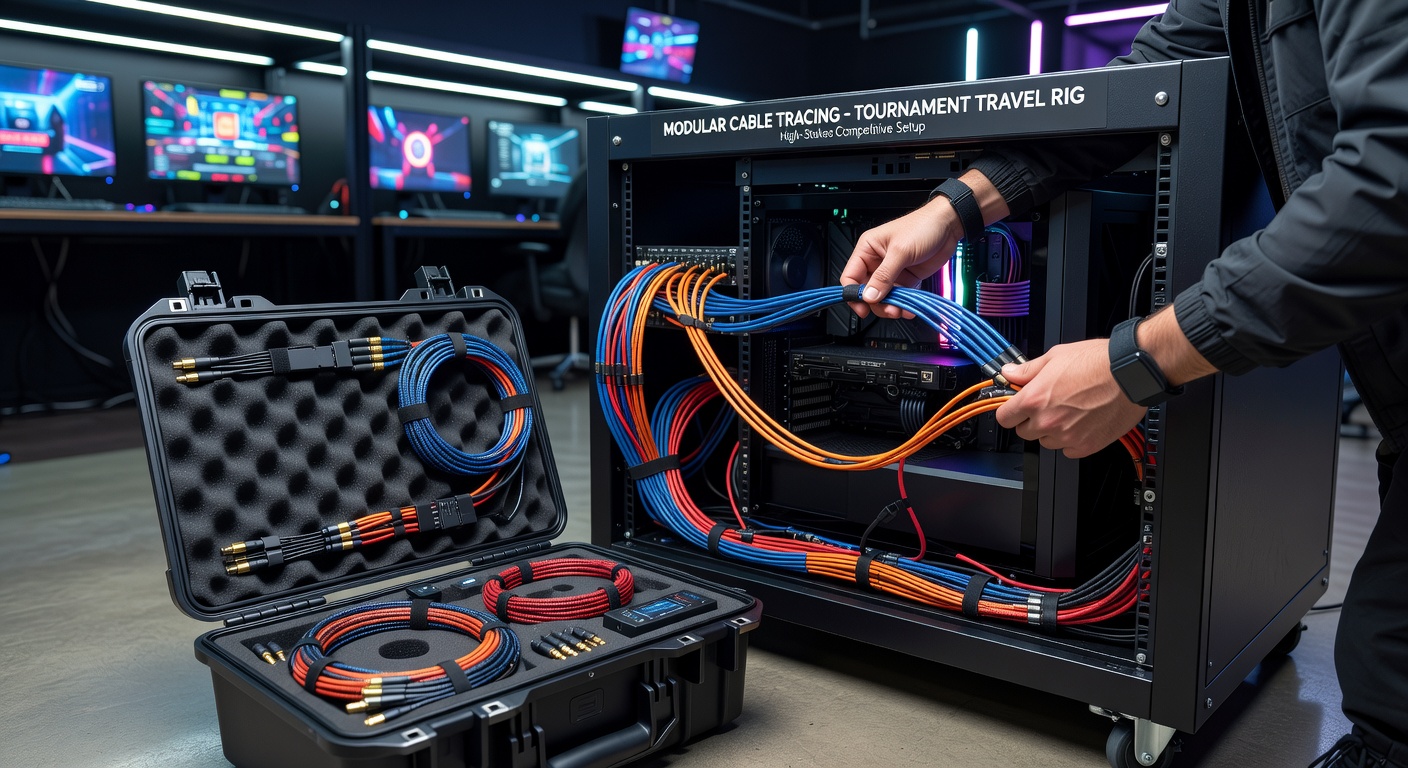
Modular cable kits have become essential components in the equipment arsenals of professional gamers who transport their systems to international competitions, and these kits allow for rapid assembly while minimizing bulk during transit.
Understanding Modular Cable Systems in Competitive Gaming
Modular cable kits consist of detachable power, data, and peripheral connections that users configure based on specific hardware layouts, and these designs replace traditional fixed wiring harnesses in many custom builds. Observers note that teams select kits with standardized connectors to ensure compatibility across different regions where power standards vary from 110 volts in North America to 220 volts in parts of Europe and Asia. Researchers at technical institutes have documented how these kits reduce setup time by up to forty percent during venue arrivals because technicians avoid untangling proprietary cables under time pressure.
Travel rigs for tournaments often incorporate compact cases that hold disassembled components, and modular cables fit neatly into foam inserts without risking bends that could damage signal integrity. Data from hardware testing labs shows that high-quality kits maintain stable connections even after repeated packing cycles, which proves critical when players arrive at venues with limited preparation windows before matches begin.
Logistics of Cable Management During Tournament Circuits
High-stakes events require precise tracking of every component because lost cables can delay matches and affect performance outcomes, and teams now employ color-coded labeling systems along with digital inventory apps to monitor kit contents. One study from a European research consortium revealed that organized cable management correlates with fewer technical interruptions in live streams, and figures from tournament organizers indicate that over seventy percent of top competitors carry modular kits rather than relying on venue-supplied peripherals. What's interesting is how these practices evolved from early esports days when bulky fixed cables frequently caused transport damage during flights across continents.
But here's the thing: customs regulations in various countries treat certain cable types as electronic accessories that need declaration, which adds another layer to travel planning for crews heading to events in May 2026. Technicians coordinate with logistics partners to secure proper documentation ahead of departure, and this preparation prevents delays at border checkpoints where inspectors examine gaming equipment for compliance.
Tracing and Inventory Practices Among Professional Teams
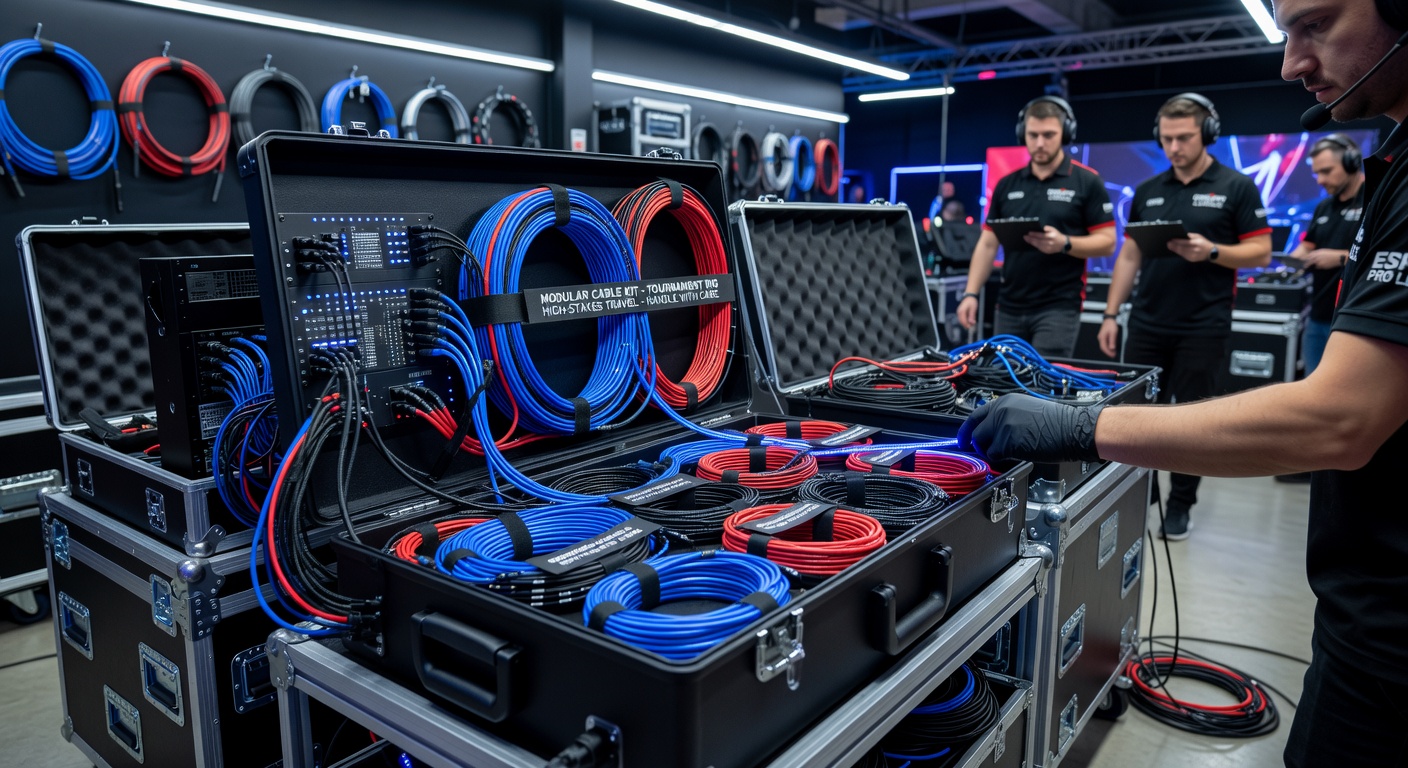
Tracing modular cable kits involves systematic logging of each connector type and length, and many squads use RFID tags that sync with team databases for real-time verification. According to reports compiled by the Asia-Pacific Esports Alliance, squads that implement digital tracing reduce equipment loss rates by nearly half compared with manual checklists alone. Teams often assign dedicated staff members to handle cable inventories because these specialists recognize patterns in wear and tear that signal when replacements become necessary before critical matches.
One documented case involved a North American roster that traced a missing display cable to an airport security bin during transit to a qualifier event, and the quick recovery allowed them to compete without rescheduling. Such incidents highlight why modular designs with interchangeable parts provide advantages over integrated solutions that cannot be swapped easily on site. Industry reports from Canadian gaming technology centers emphasize that standardized modular interfaces also simplify repairs when components fail mid-tournament.
Technical Advantages in Portable High-Performance Setups
Portable rigs benefit from modular cables because they support quick swaps between different graphics cards or power supplies without full rewiring, and this flexibility accommodates last-minute hardware upgrades that teams perform based on performance data gathered at practice facilities. Evidence from benchmark databases maintained by hardware analysis groups shows that properly routed modular connections maintain signal quality comparable to fixed systems even under vibration from air travel. Players who rely on these kits frequently report consistent frame rates during warm-up sessions at new venues where electrical conditions differ from home setups.
Yet the reality remains that not all kits perform equally under extreme conditions, and those sourced from reputable manufacturers undergo stress testing for temperature fluctuations and humidity levels common at tropical tournament locations. Observers note increasing adoption rates among emerging regions as more events incorporate travel requirements into qualification rules.
Future Trends and Preparations for Upcoming Events
As organizers finalize schedules for major gatherings in May 2026, equipment specialists focus on developing lighter modular variants that integrate wireless alternatives for select connections, and these advancements aim to further streamline airport security screenings. University-led projects in Australia have explored biodegradable cable materials that meet performance standards while addressing environmental concerns raised by frequent international travel. The ball is now in the court of manufacturers to scale production of such innovations based on feedback collected from active tournament circuits.
Conclusion
Modular cable kits continue to shape how professional gaming teams navigate the demands of tournament travel, and their role in maintaining operational reliability remains central to competitive success. Continued refinement of tracing methods and material standards promises to support the growing scale of global events where equipment must perform consistently across diverse environments.