Virtual Drills for Victory: Simulators Revolutionizing Esports Preparation
Virtual Drills for Victory: Simulators Revolutionizing Esports Preparation
The Rise of Simulated Training in Competitive Gaming
Esports has exploded into a multi-billion-dollar industry, with global revenues surpassing $1.8 billion in 2025 according to Newzoo's latest report, and simulators now stand at the forefront of how pros sharpen their edge; these virtual environments mimic real match conditions, allowing players to drill mechanics, strategies, and reactions without the fatigue of endless live scrims. Teams from Counter-Strike 2 squads to League of Legends powerhouses rely on them daily, turning raw talent into tournament dominance.
What's interesting is how this shift mirrors traditional sports, where athletes long ago ditched pure repetition for tech-driven prep; observers note that esports pros log thousands of hours in these tools before major events, boosting accuracy rates by up to 25% in some studies. Data from the Esports Research Network reveals that top-tier players using aim trainers improved headshot percentages by 18% over six weeks, a stat that underscores why coaches swear by them.
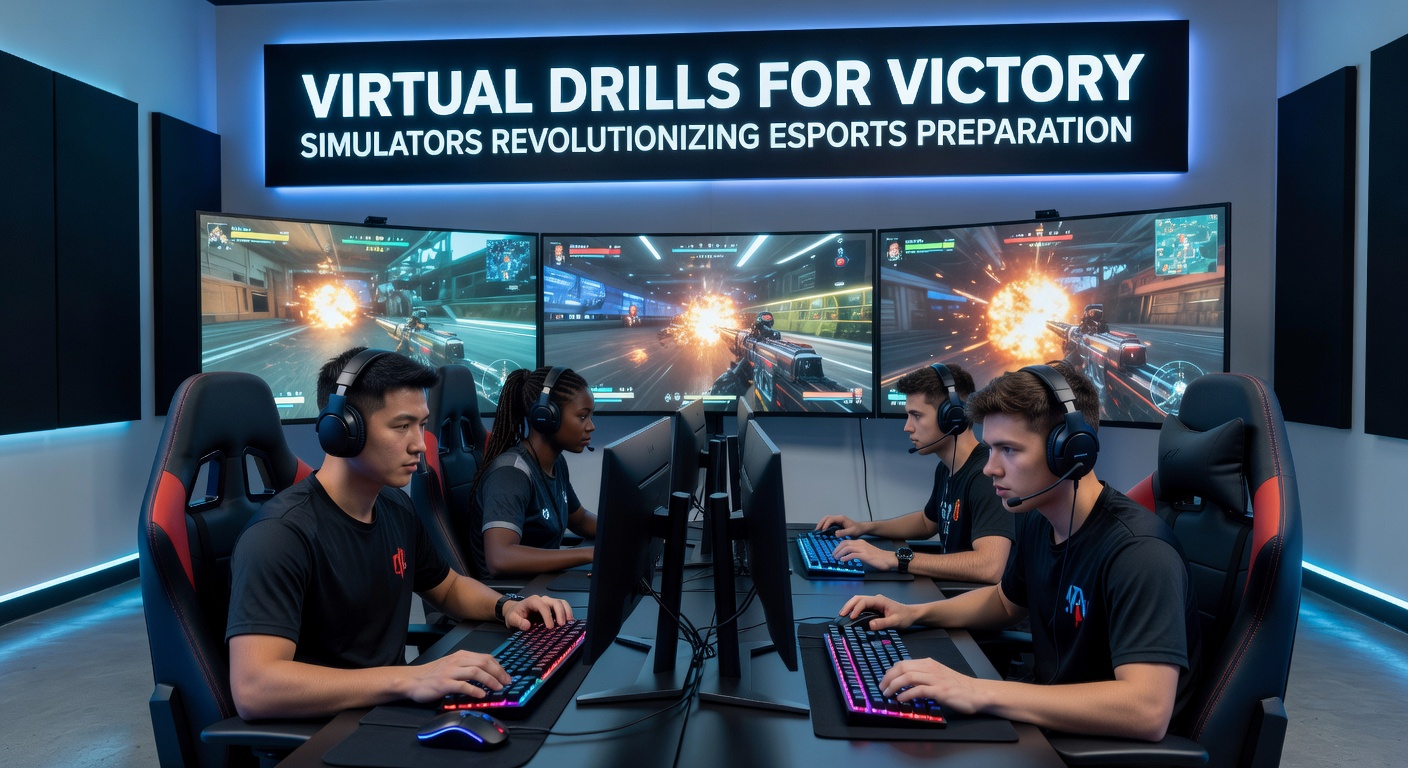
And yet, it's not just about individual skills; full-team simulators recreate enemy lineups, map rotations, and even crowd noise, helping squads sync up seamlessly while minimizing burnout from constant opponent queuing.
How Simulators Break Down Esports Challenges
At their core, these tools dissect the chaos of competitive play into bite-sized, repeatable drills; take aim training software like KovaaK's or Aim Lab, which generate endless scenarios tailored to specific games—flick shots in Valorant, tracking in Overwatch 2, or spray control in CS2—while tracking metrics like first-shot accuracy and reaction time down to the millisecond. Players input their hardware specs, and algorithms adjust difficulty on the fly, ensuring progressive overload much like weightlifters ramp up plates.
But here's the thing: beyond mechanics, tactical simulators like Mobalytics for League or custom CS2 bots from teams such as FaZe Clan simulate full rounds, complete with adaptive AI opponents that learn from user patterns; this setup lets pros test unorthodox strats risk-free, spotting weaknesses before they hit the server. Research from the University of California, Irvine's esports lab shows that teams incorporating these saw win rates climb 12% in online qualifiers, since players internalize muscle memory without the pressure of ranked ladders.
Now, hardware amps it up further; VR rigs from companies like Varjo plunge athletes into 360-degree arenas, where motion-captured movements train peeking corners or dodging abilities, and force-feedback controllers replicate weapon recoil precisely. One study from Germany's Fraunhofer Institute found VR users gained 30% better spatial awareness after 40 hours, a edge that translates directly to clutch moments in grand finals.
Real-World Wins: Case Studies from Top Teams
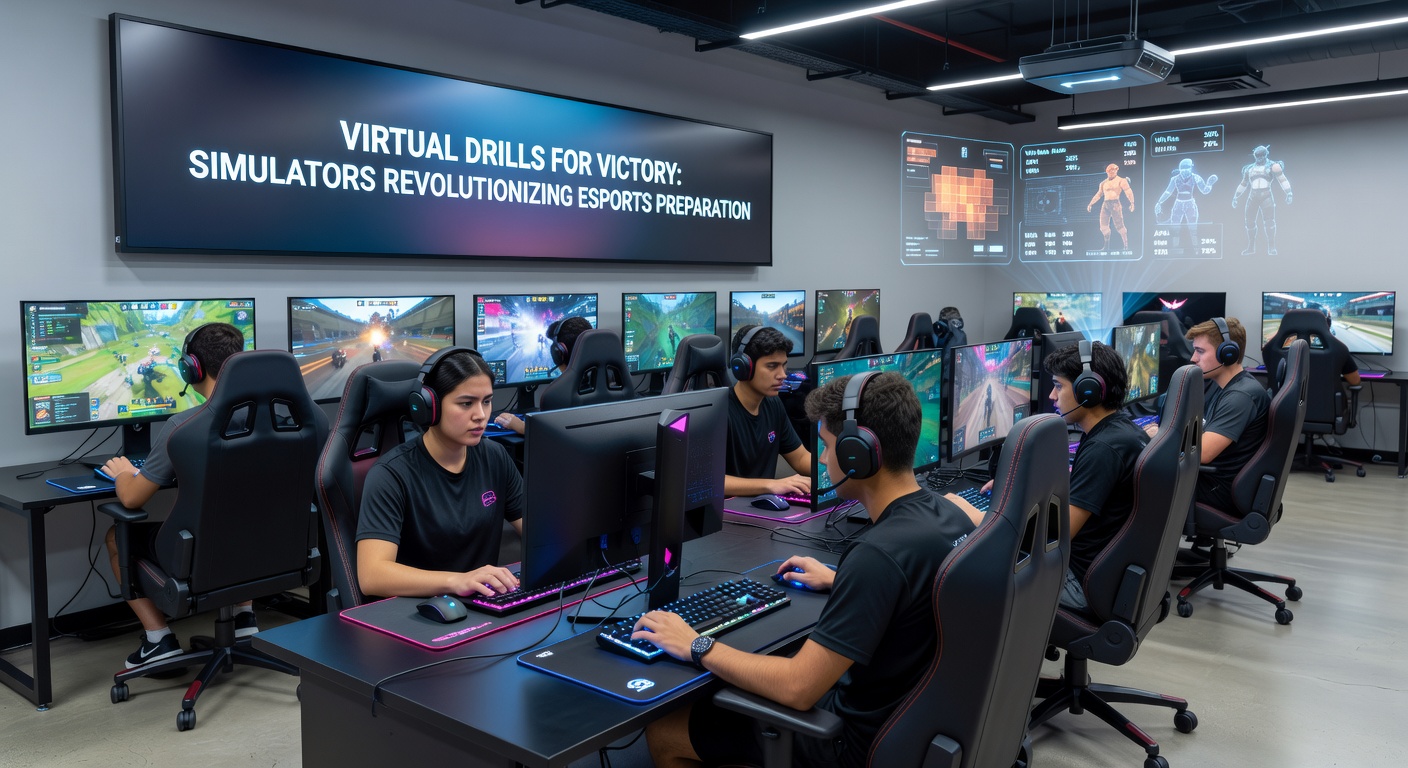
Take Team Liquid's CS2 roster, which integrated Omniverse-powered sims midway through 2025; figures indicate their pistol round win rate jumped from 52% to 68% by season's end, as virtual drills hammered economy management and site executes against hyper-realistic bots mimicking rivals like Vitality. Coaches credit the tech for letting them run 500+ iterations per strat, far beyond what scrims allow.
Over in MOBAs, T1's League squad used Overwolf's practice tool to sim dragon fights and baron setups; data logged during Worlds prep showed objective control efficiency rise 22%, contributing to their semifinal run, while observers noted how it cut down on those infamous macro blunders that sink even elite teams. And it's not limited to PC giants; mobile esports like PUBG Mobile see squads drilling in Tencent's cloud sims, where latency-free recreations of Erangel drops have shaved seconds off rotation times.
There's this case from Evil Geniuses in Dota 2, where a custom simulator forecasted enemy drafts 85% accurately after feeding it patch data; players ran counterpick trees virtually, emerging with adaptive lanes that flustered opponents at The International 2025 qualifiers. Such stories pile up, painting a clear picture of simulators as the great equalizer, especially for orgs grinding from underdog status.
Even solo queue grinders benefit; platforms like Kovaak's 2.0 boast leaderboards where top 0.1% users transition straight to pro tryouts, their verified drill scores serving as resumes that scouts can't ignore.
Tech Stack Powering the Simulator Boom
Behind the scenes, NVIDIA's Omniverse and Unreal Engine 5 form the backbone, rendering photoreal maps with ray-traced lighting that matches live servers pixel-for-pixel; teams pipe in telemetry from actual matches via APIs, letting sims evolve with metas—like the agent buffs in Valorant patch 9.04 that demanded instant retraining. Cloud options from AWS Gaming cut setup costs, so mid-tier orgs stream sessions to distributed rosters without beefy local rigs.
AI takes it next-level; machine learning models from OpenAI integrations predict player errors before they happen, offering real-time cues like "shift crosshair left 2 degrees," and studies from Australia's CSIRO esports division report a 15% drop in tilt-induced mistakes after prolonged use. Motion platforms like DOF Reality's rigs add physicality, vibrating seats for footsteps or nades, training subconscious cues that flat screens miss.
April 2026 brings fresh waves; CES announcements unveiled Meta's Orion AR glasses tuned for esports, promising untethered drills with holographic teammates, while Logitech's G Pro X3 sim peripheral hits shelves mid-month, packing hall-effect sticks that eliminate drift during marathon sessions. Early adopters from NA LCS teams already log beta hours, hinting at hybrid reality training that blurs virtual and physical prep.
Challenges and the Path Forward
Not everything's seamless, though; high-end setups run $50,000-plus for full immersion, pricing out smaller scenes, although free tiers like Aim Lab's community servers democratize access somewhat. Data from the Entertainment Software Association highlights that only 35% of semi-pro teams use advanced sims, largely due to integration hurdles with game engines that patch weekly.
So teams adapt; open-source tools from GitHub repos let devs tweak bots for niche titles like Rocket League, and cross-game transferable skills—built via universal trainers—mean Valorant aces port flick precision to Apex Legends effortlessly. Observers predict ubiquity by 2028, as prices halve yearly amid GPU leaps.
That's where the rubber meets the road: simulators don't replace raw scrims but supercharge them, turning prep into a science where every click counts toward victory.
Conclusion
Simulators have reshaped esports from gut-feel grinding to data-fueled mastery, with pros worldwide clocking virtual hours that yield measurable leaps in performance; as April 2026 unfolds with AR breakthroughs and refined AI, the gap between casual players and champions widens further for those who drill smart. Teams embracing this tech stack the odds, proving that in the arena of pixels and precision, preparation via simulation isn't just an advantage—it's the new standard.